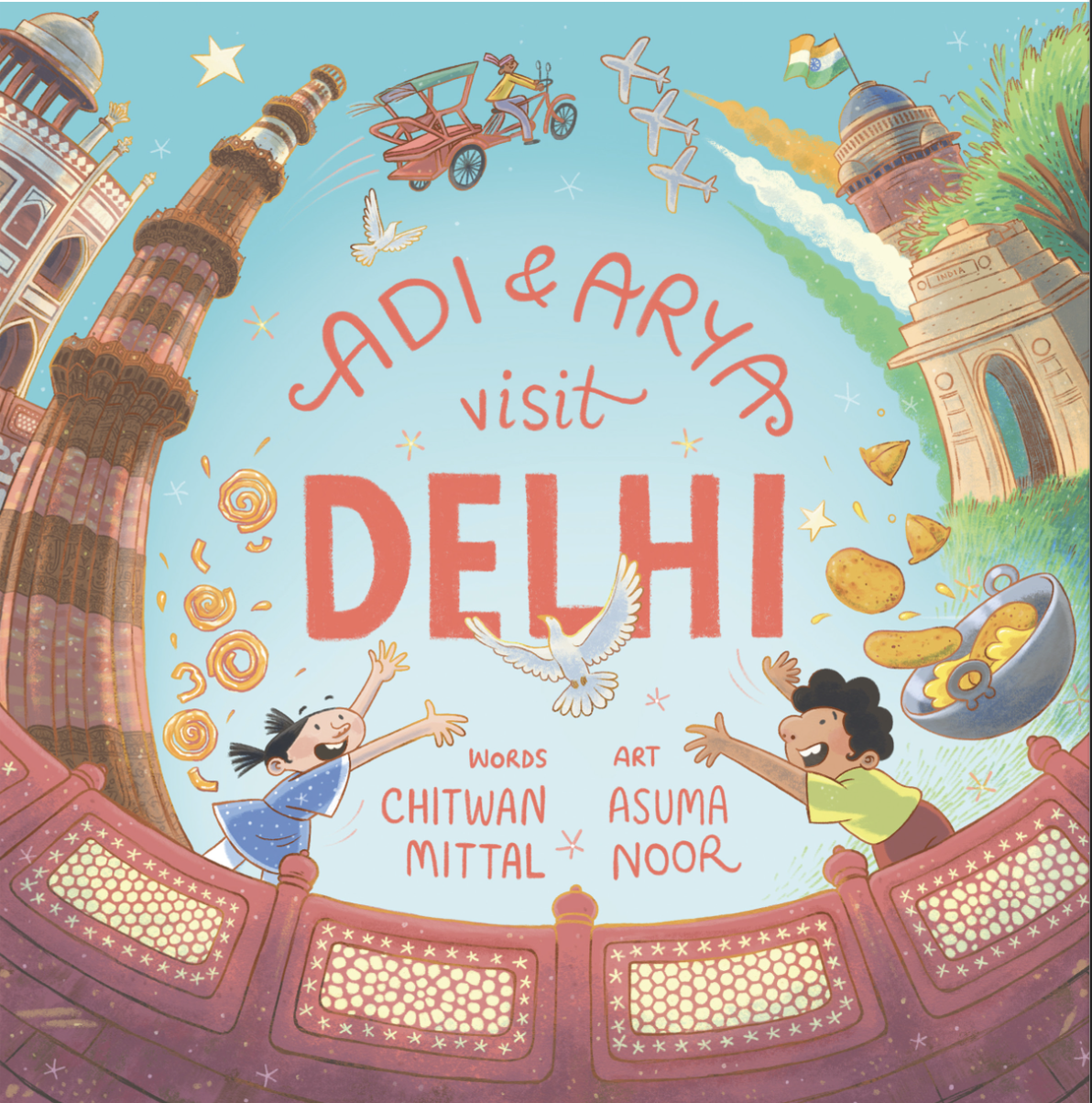
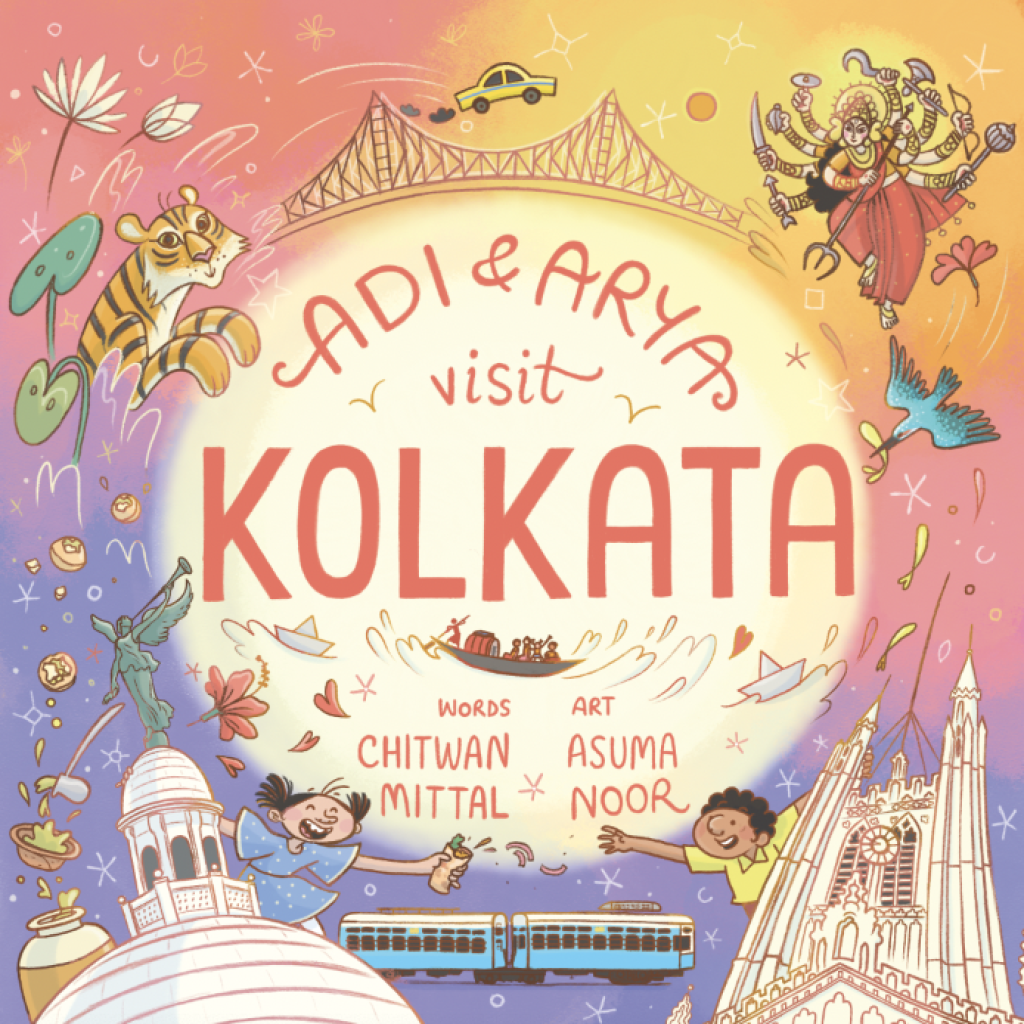
Travel to Indian cities can be made more exciting for children when unique aspects of the city, the ‘vibe’ if you will, is captured beautifully in an accessible way. This is exactly what the new city-adventure series (AdiDev Press) accomplishes. Two initial books in the series are Adi and Arya Visit Delhi and Adi and Arya Visit Kolkata.
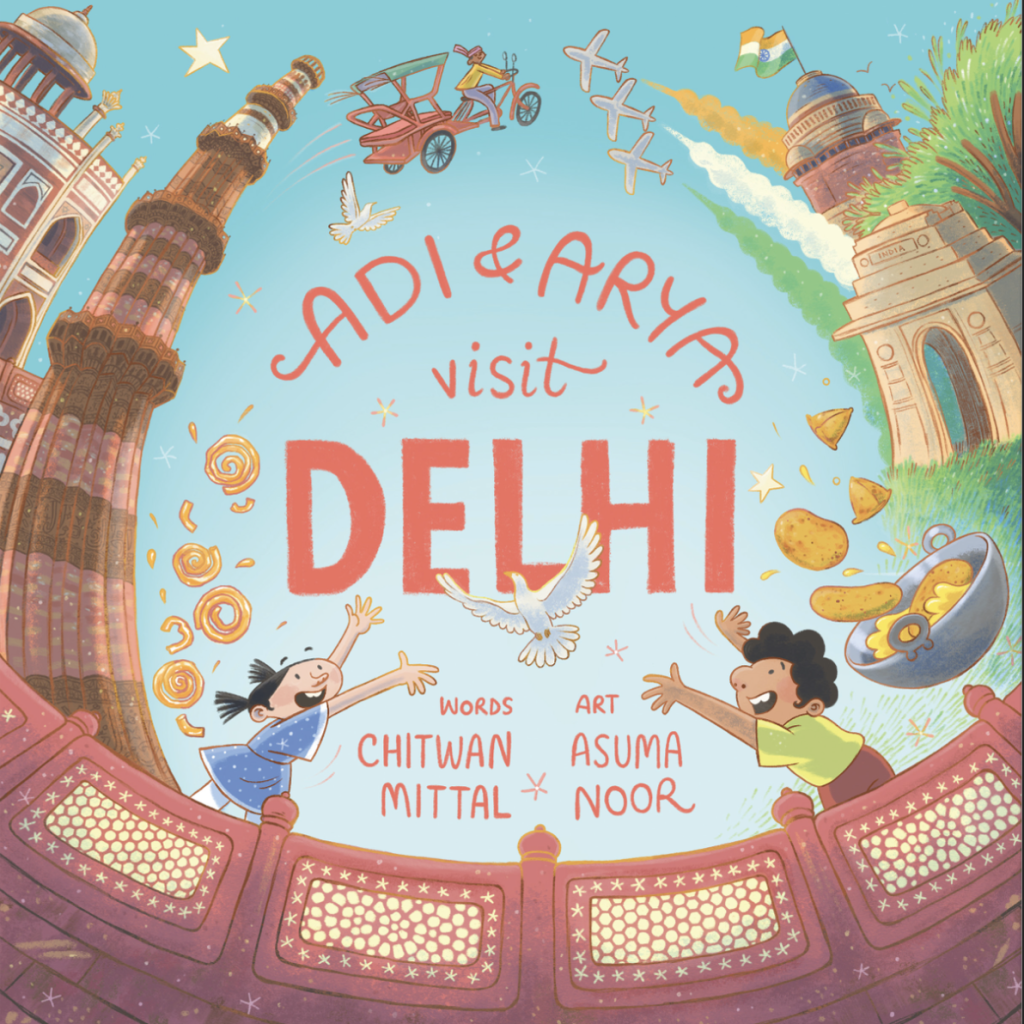
These beautifully illustrated board books are apt travel companions for young children who want to explore Delhi and Kolkata. The cities are brought to life in the words of Chitwan Mittal and with vibrant illustrations by Asuma Noor. Edited excerpts from an interview with the duo:
How did you navigate what to include and what to leave out when writing for very young readers?
Chitwan: This is a question that’s always on my mind when writing for very young readers, especially in a series like this that is about historic Indian cities. There is so much information about them, so many stories and places to write about, not to mention culturally unique things. How do you capture all that without overwhelming a young child? So, I tried to navigate by adding little bits of food, culture, nature, history and the physical space, combining short sentences of text with vivid art to give the reader an immersive experience—a little taste of what each city really feels like. The toughest thing was choosing what to keep and what to leave out — but that’s always going to be the case when writing about Indian cities, which are jam-packed with interesting things!
Asuma: I tried to imagine what would naturally catch a child’s eye first. The main action and emotion had to be instantly readable, so I was careful not to overcrowd that. At the same time, I enjoy sneaking in quieter details in the background- things a child might notice only on a second or third look. It was really about finding a balance: keeping the image clear and welcoming at first glance, but layered enough that it feels rewarding to return to.
How did you each approach the challenge of seeing these cities not as adults or creators, but through a child’s pace, curiosity, and emotional world?
Chitwan: I definitely drew on my own experiences of visiting places in Delhi, my memories of what struck me—the height of the Qutub Minar, the enormousness of the Red Fort, the warm sunshine and cold air of a winter picnic in Lodhi Gardens, ice cream at India Gate, and the chaos and colour of being in the various crowded spaces in the city. Also, I see what interests my kids and their friends when we take them to these places, and through listening to their conversations about what they found fun, like watching a chaiwala expertly pour chai into glasses, or the pigeons fluttering up as a flock, I got some insight into what kids in particular are drawn to. This helped me identify what might be engaging when depicted in the book.
Asuma: I tried to draw the city the way a child experiences it- not as a grand overview, but in fragments. Children don’t take in cities as maps or skylines; they notice shop windows, animals, textures, people passing by. I often imagined Adi and Arya stopping unexpectedly, getting distracted, or observing something small while the larger city continues around them. That sense of pause shaped the compositions.
Were there moments while writing that connected you back to your own childhood experiences of cities…specific memories, freedoms, or curiosities?
Asuma: Yes! Illustrating these scenes brought back memories of walking around cities as a child- feeling both tiny and curious, noticing patterns, signboards, and everyday life unfolding around me. Those memories influenced how I framed scenes, often placing the children slightly off-centre, letting the city feel vast but not overwhelming.
I notice that the text is extremely comprehensive and yet contained, while the illustrations are intricate and detailed. Was that a conscious choice? I love that each time the child looks at a page, there is something new to discover.
Chitwan: The reading level of the child was a consideration in writing the text, as you’ve got to keep things simple and not intimidating. The art was deliberately planned to take up much of the page, because it’s something a child who isn’t a reader yet can still access, but also because I wanted reading this book to bring alive the sights, sounds and smells of the physical city. Asuma’s detailed art deliberately has lots of little things to discover, and yes, I love that kids can keep coming back to every page to spot something new!
Asuma: Absolutely. The idea is for the illustrations to carry layers of information and atmosphere that words don’t need to explain. Children often revisit images many times, and I wanted each revisit to feel rewarding. Some details are narrative, some are playful, and some are simply observational. This invites the reader to go beyond the written text or even the painted frame!
What are your suggestions on how parents could use these books with their children?
Chitwan: Parents can read these aloud, give children time to look at the illustrations, they could play seek-and-find games that get kids to count items on the page. For example, how many squirrels can you find or how many crafts do you see, on different pages. These are fun ways to build kids’ attention to detail, their cognition and memory skills, as well as being a good bonding exercise. I also see this being a good book to read before families go on trips to these cities, to get kids excited about where they will be, allow them to connect with the places and be involved in planning.
Asuma: I’d encourage parents to let children lead the reading visually. Ask them what they notice first, what they think is happening in the background, or to make up stories about side characters. The illustrations are designed to spark conversation rather than deliver fixed answers.
Visually, the books work for a wide range- from toddlers who respond to colour, shape, and characters, to older children who enjoy spotting details and patterns. The books comfortably span ages 3-8, growing with the child’s ability to observe and interpret. These books can be read out to kids as young as 2, with a parent helping them to spot items, while emerging readers from ages 3 and up can begin to read these using sight words and sounding out strategies. The text is simple enough to be accessible to a wide range of readers.
Here’s looking forward to the next in the series (Adi and Arya Visit Mumbai), and many more to come!